Homalco First Nation partners with Bute Inlet luxury lodge for regenerative tourism
Published 9:30 am Saturday, February 14, 2026

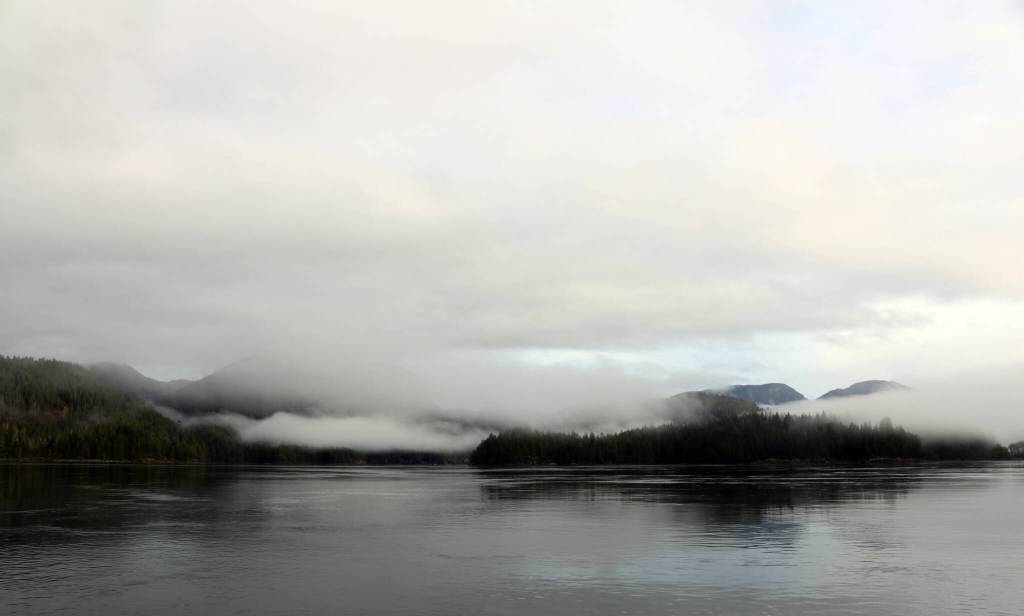
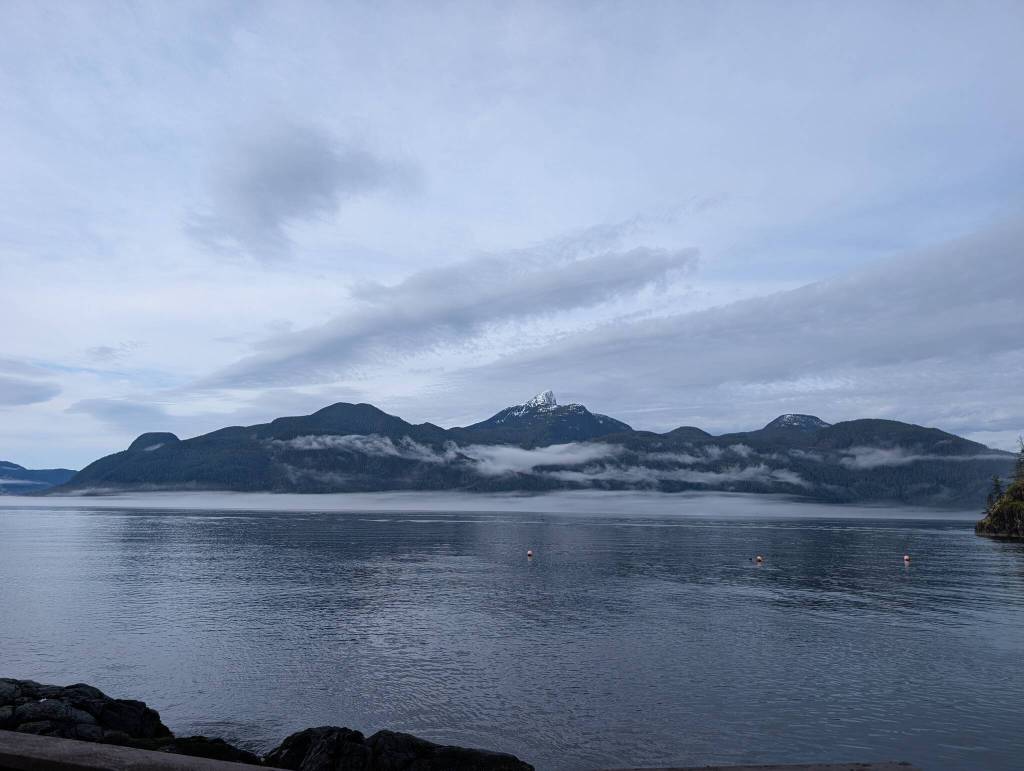


Fawn Bluff is a lodge located in Bute Inlet, part of the ancestral territories of the Homalco Nation, and until 2023 was owned by actor Michelle Pfeiffer and husband, producer David E. Kelley.
Unlike many luxury destinations, it does not exist solely to cater to the ultra wealthy. Instead, the lodge operates with a unique commitment to regenerative tourism, environmental sustainability and community partnership.
French entrepreneurs David and Claire Tuchbant purchased the property with the intention of connecting with the Homalco community and developing a vision for regenerative tourism at Fawn Bluff. The Tuchbants, who previously created farm schools in France for youth employment reinsertion, brought their passion for social enterprise to this partnership.
Both have shown openness to this partnership. Fawn Bluff’s team is eager to create meaningful connections with the community, and the Homalco Nation is willing to share their culture, tools, and collaborate on building solutions together.
Laura Gelly, a former registered nurse in France and the Fawn Bluff’s Cultural Project Manager describes the partnership as built on mutual respect and genuineness.
“It’s creating a bridge that hasn’t really been created before,”she said. “It’s really beautiful and interesting when you can see a lot of open hearts, connection and the will to do well, and to create that connection with the community.”
Gelly emphasized that guests come seeking connection and transformative experiences rather than typical tourist activities.
“They’re looking for an experience that is a lot more spiritual and connected, much more impactful than just something materialistic and luxurious.”
Those coming to be transformed by the natural beauty of Bute Inlet and its surrounding landscape are doing more than finding connection, they are helping fund it.
Gelly echoed the information found on the Fawn Bluff site. Confirming that the Bluff plans to dedicate five per cent of sales and 100 per cent of profits to Homalco-led social and environmental programs. The first of these being a yet unnamed day recovery program.
This new day recovery program, “will provide a holistic sanctuary for healing: integrating clinical counseling and life skills with the essential pillars of Homalco culture, language, and physical activity,” says Homalco Health Director Shaylene Harry.
Harry went on to say that the recovery program concept is another means of the Nation meeting the needs of the community.
“Our community is still navigating a State of Local Emergency,” she continued, referencing the March 2025 response to the “escalating” opioid crisis in the community, “and although there has been improvement over the past year, we remain committed to doing the hard work necessary to address deep-seated trauma.”
Starting simple to avoid overstretching resources, the program is building a committed, passionate, and loyal core team before expanding. The focus is on removing barriers to participation and creating space for both western and Indigenous perspectives to coexist and inform the healing process.
The program, according to Gelly, will blend “the western clinical approach of counseling with the Indigenous land-based therapy and spirituality.”
Harry also noted that as Health Director, her priority is to be flexible and responsive to clients’ needs.
“We are building a model of care that proves culture is medicine, serving as a vital stepping stone toward our permanent vision for a Trauma Treatment Centre at Church House.”
“Our goal,” she went on to say, “is to empower all of our members, to nourish the spirit through our traditions, our stories, and our shared journey toward wellness. Furthermore, our mission is to shift the narrative from one of intergenerational trauma to one of intergenerational strength and health.
“We are intentionally breaking cycles of pain by building a foundation of wellness that ensures the resilience of our ancestors is what defines the future of our children.”